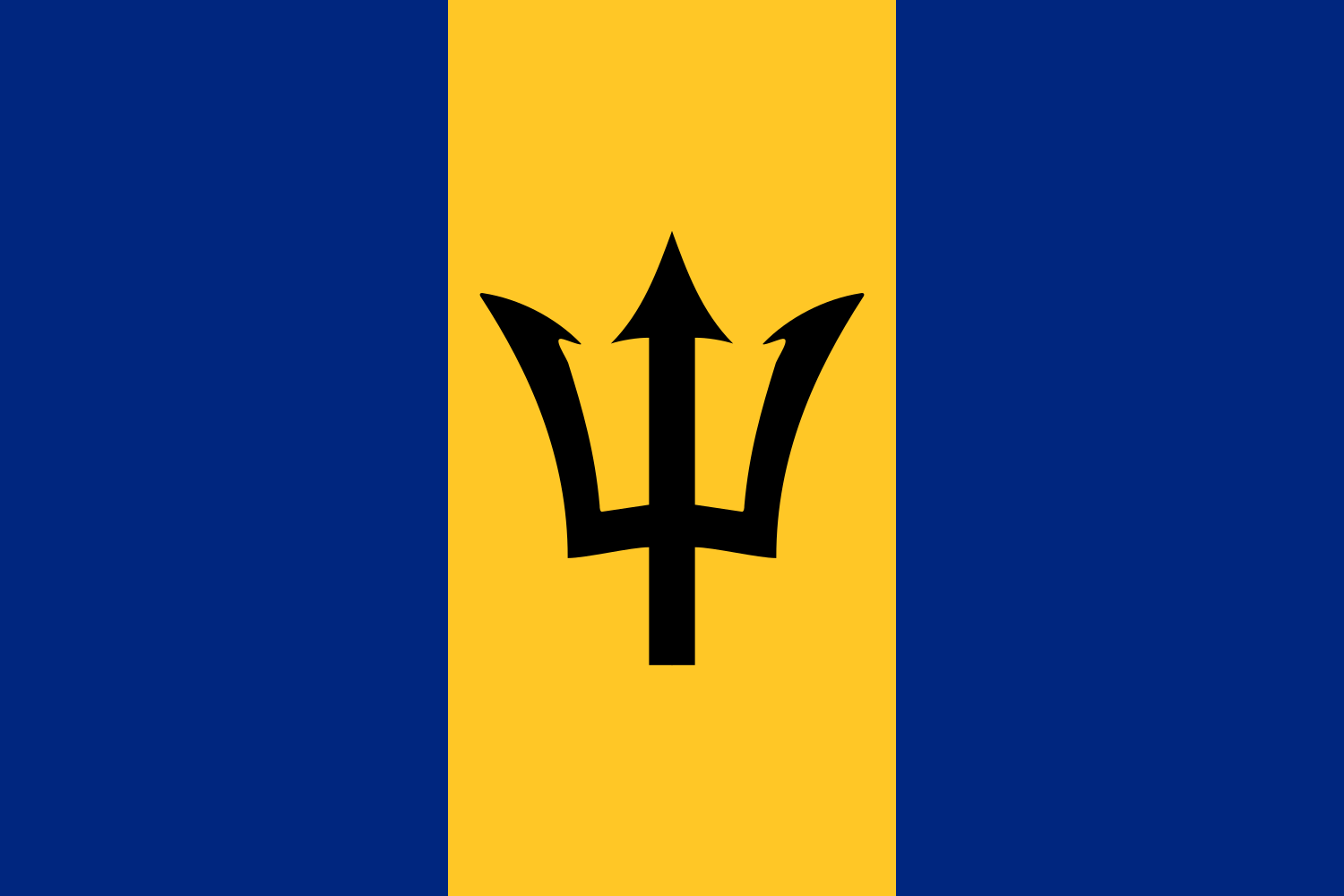
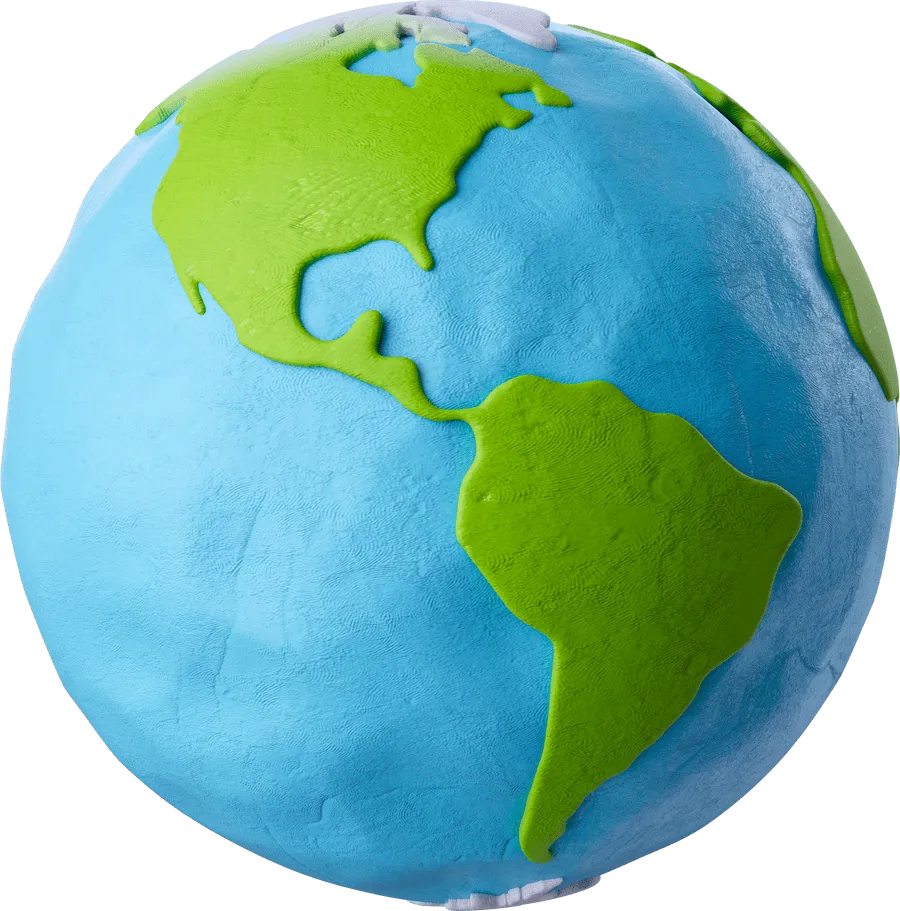
Barbados is an island republic in the West Indies' Lesser Antilles, in the Americas' Caribbean area, and the most easterly of the Caribbean Islands. It has a population of roughly 287,000 people and a land area of 432 km2 (167 sq mi) (2019 estimate). Bridgetown is its capital and major city.
Barbados has been inhabited by the Kalinago people since the 13th century, and previous to that by various Amerindians. In the late 15th century, Spanish navigators acquired control of the island, claiming it for the Crown of Castile. In 1511, it initially appeared on a Spanish map. The Portuguese Empire seized the island between 1532 and 1536, but abandoned it in 1620, leaving only an importation of wild boars to ensure a plentiful supply of meat whenever the island was visited. On 14 May 1625, an English ship, the Olive Blossom, landed in Barbados and gained control of the island in the name of King James I. The first permanent English immigrants arrived in 1627, and Barbados became an English and then British colony. During this time, the colony relied on the labor of enslaved Africans who toiled on the island's plantations to run its economy. The slave trade to the island persisted until the Slave Trade Act 1807 prohibited it, with the full liberation of the enslaved people of Barbados coming during a five-year period after the Slavery Abolition Act 1833.
Barbados became an independent state and Commonwealth realm on November 30, 1966, with Elizabeth II as Queen of Barbados. Sandra Mason was chosen as Barbados' first President by Parliament in October 2021. Mason succeeded Queen Elizabeth as head of state on November 30, 2021, and Barbados became a republic within the Commonwealth of Nations.
Barbados is a prosperous and peaceful nation with a good standard of living. The majority of Barbados' people are of African heritage. While officially an Atlantic island, Barbados is strongly linked with the Caribbean and is one of its most popular tourist destinations.