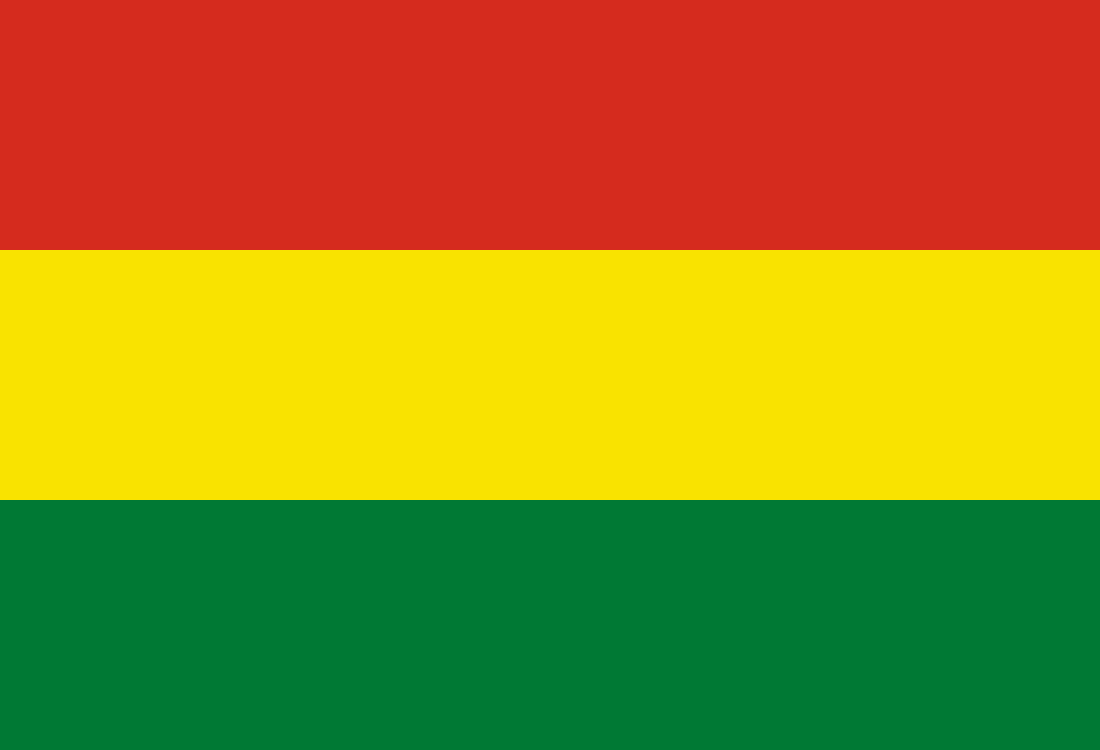
Bolivia is a country in western-central South America. Its official name is the Plurinational State of Bolivia. La Paz is the seat of government and the executive capital, whereas Sucre is the constitutional capital. Santa Cruz de la Sierra, the biggest city and main industrial hub, is situated in the Llanos Orientales (tropical lowlands), a relatively flat area in the country's east.
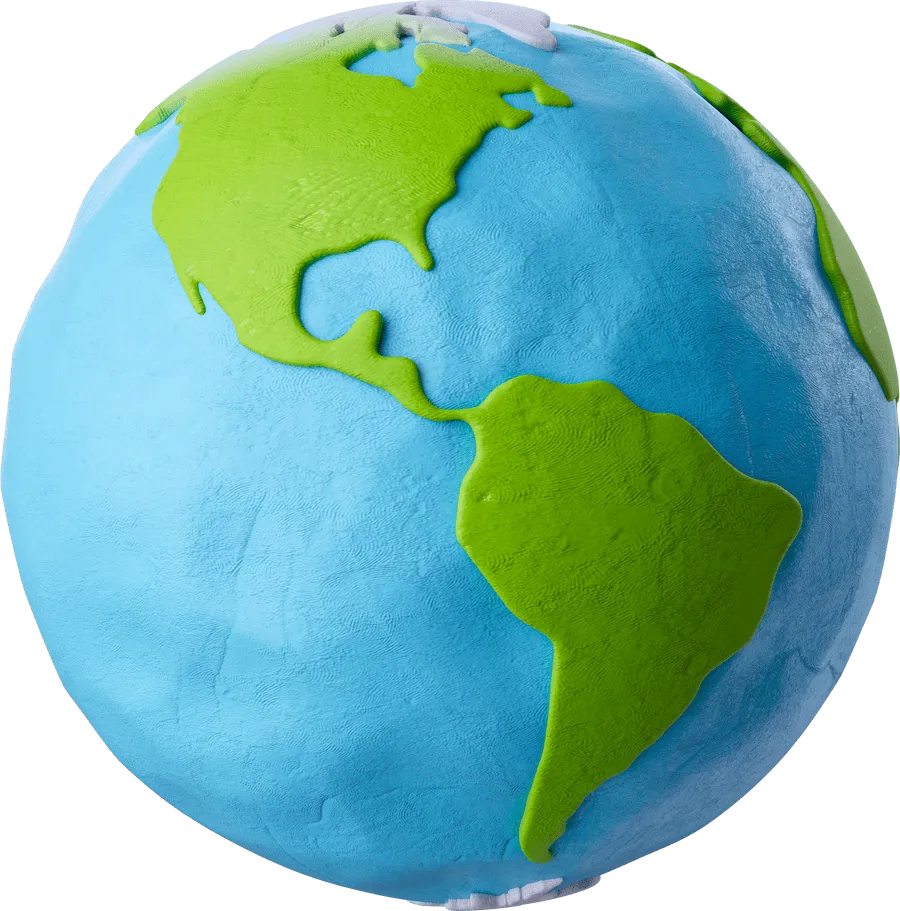
Bolivia is a constitutionally unitary sovereign state organized into nine departments. Its landscape ranges from the Andes highlands in the west to the Eastern Lowlands in the Amazon basin. Brazil borders it on the north and east, Paraguay on the southeast, Argentina on the south, Chile on the southwest, and Peru on the northwest. The Andean mountain range encompasses one-third of the nation. Bolivia is the fifth largest country in South America, after Brazil, Argentina, Peru, and Colombia (and, along with Paraguay, one of the only two landlocked countries in the Americas), the world's 27th largest, the largest landlocked country in the Southern Hemisphere, and the world's seventh-largest landlocked country, after Kazakhstan, Mongolia, Chad, Niger, Mali, and Ethiopia.
The country's estimated 11 million inhabitants are multiethnic, including Amerindians, Mestizos, Europeans, Asians, and Africans among them. Although Spanish is the official and main language, 36 indigenous languages have official status, the most widely spoken of which are Guarani, Aymara, and Quechua.
The Andean portion of Bolivia was part of the Inca Empire prior to the Spanish invasion, whereas the northern and eastern plains were populated by separate tribes. In the 16th century, Spanish conquistadors from Cusco and Asunción acquired control of the area. Bolivia was controlled by the Real Audiencia of Charcas during the Spanish colonial era. Spain's empire was formed in significant part on the silver produced from Bolivia's mines. Following the initial demand for independence in 1809, the Republic of Simón Bolvar was established after 16 years of struggle. Bolivia lost sovereignty of various peripheral lands to neighboring nations throughout the nineteenth and early twentieth centuries, notably the takeover of its coastline by Chile in 1879. Bolivia was politically stable until 1971 when Hugo Banzer staged a CIA-backed coup that replaced Juan José Torres' socialist government with a military dictatorship commanded by Banzer. Banzer's dictatorship repressed left-wing and socialist opposition, as well as various kinds of protest, culminating in the torture and murder of many Bolivian civilians. Banzer was deposed in 1978 and eventually returned as Bolivia's freely elected president from 1997 to 2001. Evo Morales' administration from 2006 to 2019 experienced tremendous economic development and political stability.
Bolivia is a founding member of the United Nations, IMF, NAM, OAS, ACTO, Bank of the South, ALBA, and USAN. Bolivia is the second poorest nation in South America, despite having reduced poverty rates and the fastest expanding economy in the region (in terms of GDP). It is a developing nation with a high Human Development Index value. Agriculture, forestry, fishing, mining, and manufacturing commodities such as textiles, clothes, refined metals, and refined petroleum are its key economic activities. Bolivia is abundant in minerals such as tin, silver, lithium, and copper.