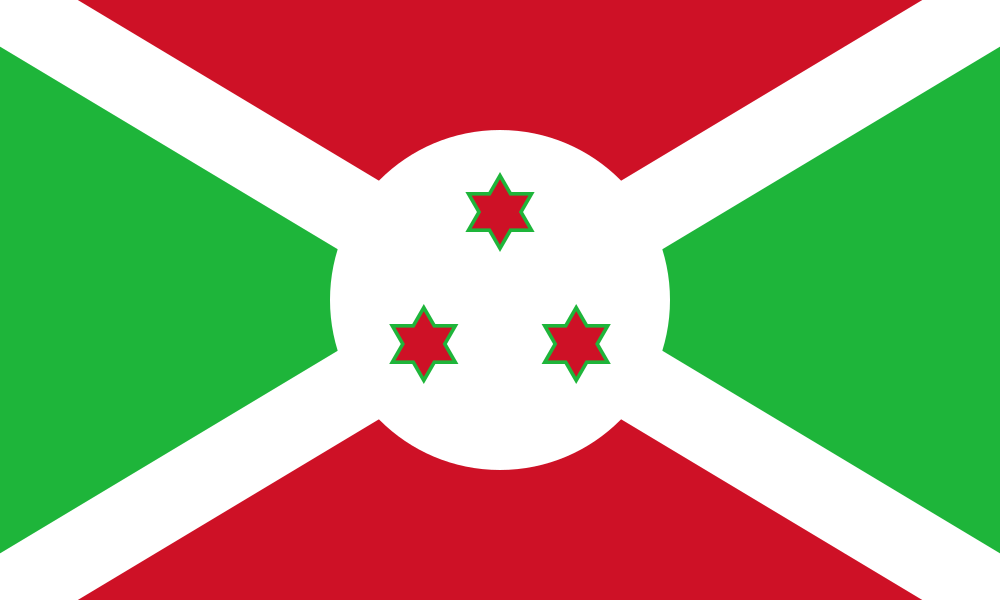
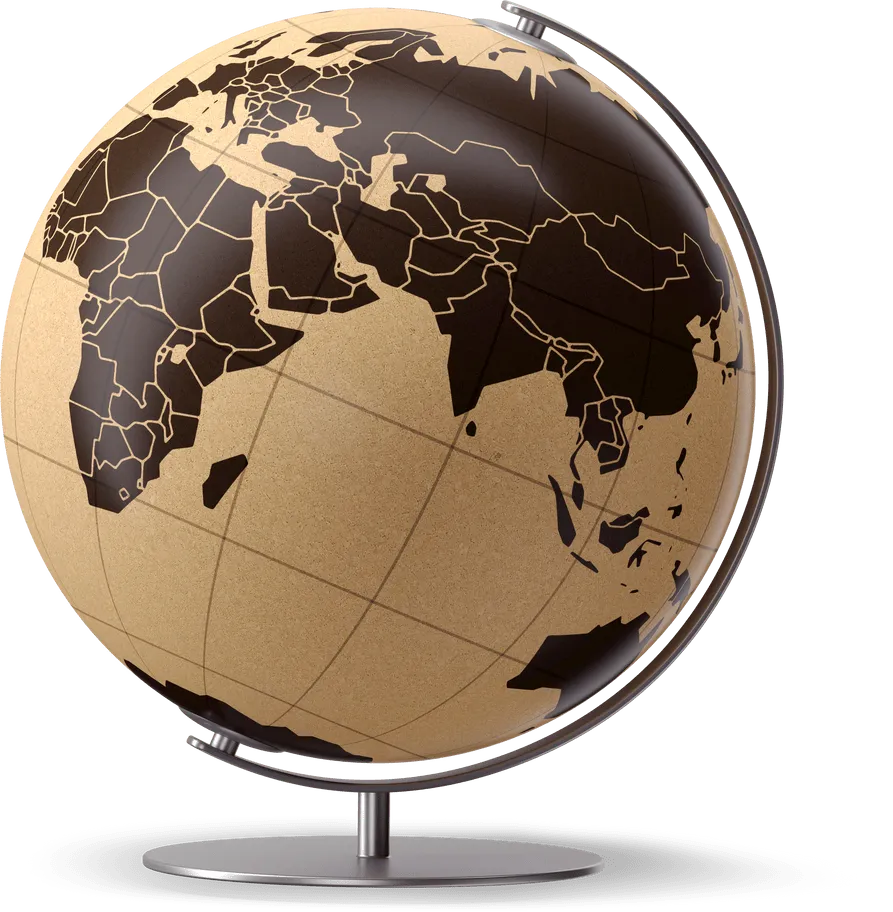
Burundi is a landlocked nation in the Great Rift Valley, where the African Great Lakes area and East Africa meet. It is bounded to the north by Rwanda, to the east and southeast by Tanzania, and to the west by the Democratic Republic of the Congo; Lake Tanganyika runs along its southern border. Gitega and Bujumbura are the capital cities, with the latter serving as the country's biggest.
Burundi has been inhabited by the Twa, Hutu, and Tutsi peoples for at least 500 years. Burundi was an autonomous monarchy for more than 200 years, until the beginning of the twentieth century, when Germany governed the area. Following Germany's loss in World War I, the League of Nations "mandated" the area to Belgium. Following WWII, it was designated as a United Nations Trust Territory. Both Germans and Belgians governed Burundi and Rwanda as part of the Ruanda-Urundi European colony. Burundi and Rwanda have never been united before the European colonization of Africa.
Burundi won independence in 1962 and had a monarchy at the time, but a succession of killings, coups, and a general environment of regional instability resulted in the foundation of a republic and a one-party state in 1966. Bouts of ethnic cleansing, followed by two civil wars and genocides in the 1970s and 1990s resulted in hundreds of thousands of fatalities, leaving the economy underdeveloped and the people among the poorest in the world. President Pierre Nkurunziza chose to compete for a third term in power in 2015, a coup attempt failed, and the country's legislative and presidential elections were widely criticized by members of the international community.
Burundi's political system is that of a presidential representative democratic republic founded on a multi-party state. Burundi's president is both the head of state and the head of government. Burundi presently has 21 registered political parties. Tutsi coup leader Pierre Buyoya produced a constitution on March 13, 1992, which allowed for a multi-party political process and reflected multi-party competition. Six years later, on June 6, 1998, the constitution was amended to widen the seats in the National Assembly and to provide for two vice-presidents. Burundi established a transitional government in 2000 as a result of the Arusha Accord. Burundi notified the UN in October 2016 of its desire to withdraw from the International Criminal Court.
Burundi is still predominantly a rural culture, with just 13.4% of the people residing in cities in 2019. The population density of roughly 315 persons per square kilometer (753 per square mile) ranks second in Sub-Saharan Africa. Approximately 85 percent of the population is Hutu, 15 percent is Tutsi, and less than 1 percent is indigenous Twa. Burundi's official languages are Kirundi, French, and English, with Kirundi being recognized as the only national language.
Burundi, one of Africa's smallest nations, relies heavily on subsistence agriculture and grazing, which has resulted in deforestation, soil erosion, and habitat degradation. As of 2005, the nation was nearly totally deforested, with fewer than 6% of its area covered by trees, with commercial plantations accounting for more than half of that. Burundi often suffers from corruption, inadequate infrastructure, limited access to health and education services, and famine. Burundi is heavily populated, and many young people leave in pursuit of better prospects. The nation was placed 156 in the World Happiness Report 2018 as the world's least happy. Burundi is a member of the African Union, the Eastern and Southern African Common Market, the United Nations, and the Non-Aligned Movement. As of 2022, Burundi has the lowest GDP per capita.