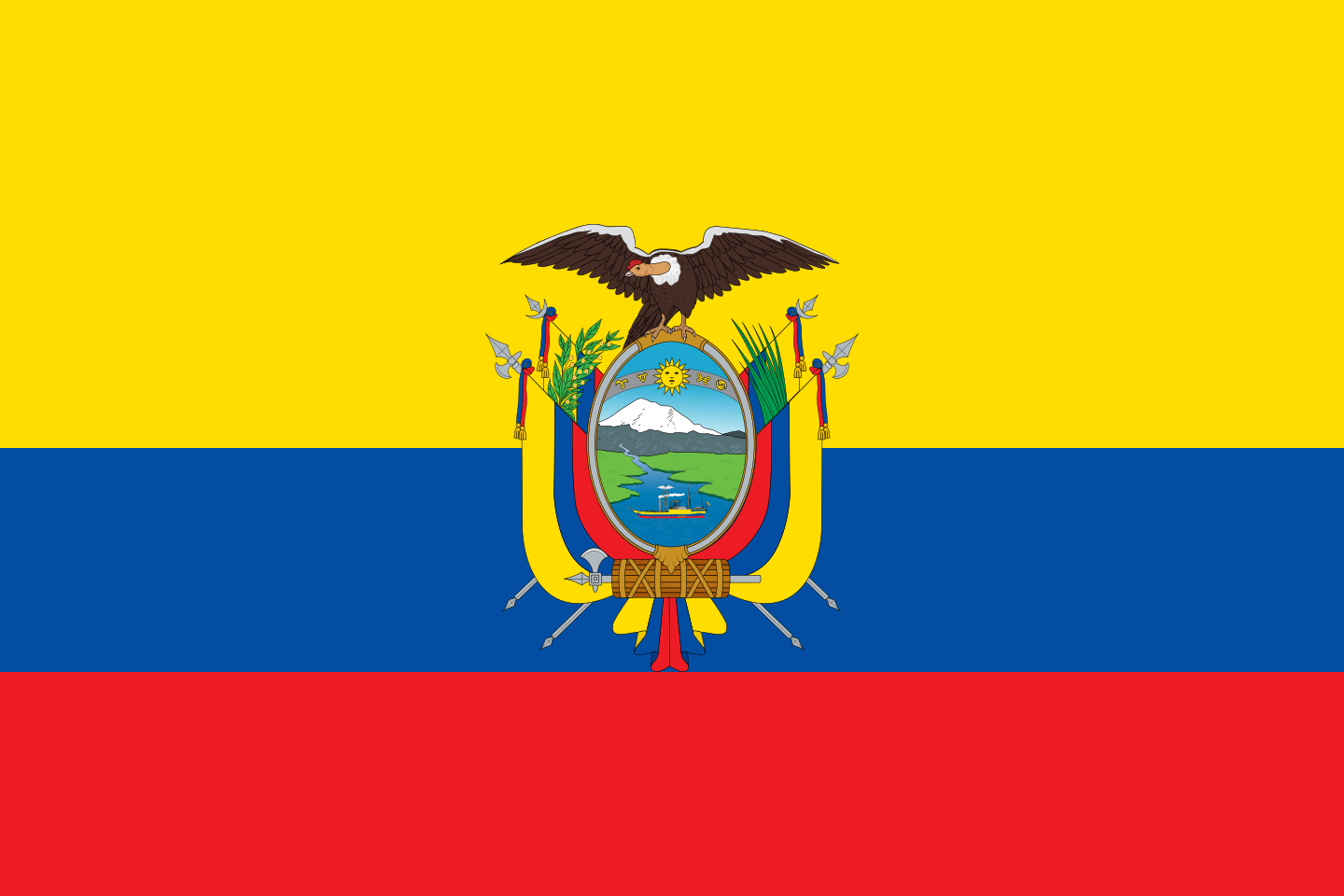
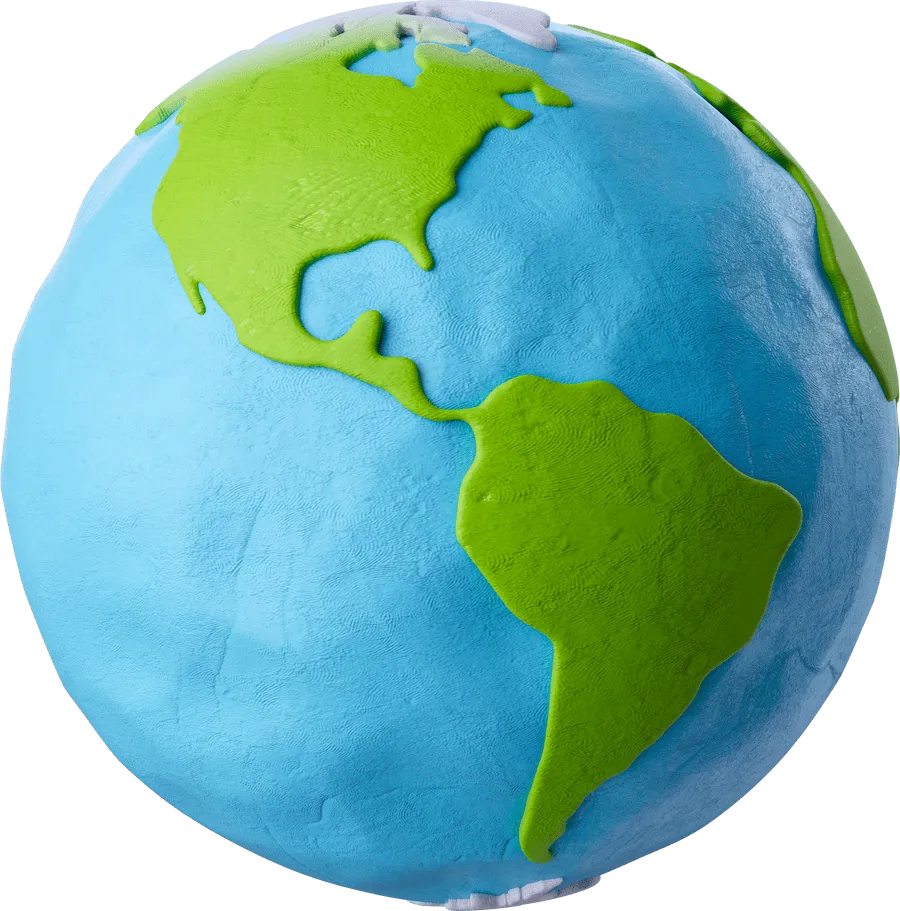
Ecuador, formally the Republic of Ecuador, is a nation in northern South America bordered on the north by Colombia, on the east and south by Peru, and on the west by the Pacific Ocean. Ecuador also has the Galápagos Islands, which are located in the Pacific approximately 1,000 kilometers (621 miles) west of the continent. Quito is the capital.
The modern-day Ecuadorian borders were originally home to a number of Amerindian communities that were eventually absorbed into the Inca Empire throughout the 15th century. The area was colonized by Spain in the 16th century and gained independence as part of Gran Colombia in 1820, emerging as its own independent state in 1830. Ecuador's ethnically varied population reflects the heritage of both empires, with the majority of its 17.1 million people being mestizos, followed by a sizable minority of European, Native American, and African descent. Although Spanish is the official language and is spoken by the majority of the people, 13 indigenous languages, including Quechua and Shuar, are officially recognized.
Ecuador is a middle-income representative democratic republic and developing nation that is heavily reliant on commodities, namely petroleum and agricultural goods. It is ruled by a democratic presidential republic. The nation founded the United Nations, the Organization of American States, Mercosur, PROSUR, and the Non-Aligned Movement.
Ecuador, one of the world's 17 megadiverse nations, is home to numerous unique flora and animals, including those of the Galápagos Islands. The new constitution of 2008 is the first in the world to establish legally enforceable Rights of Nature, or ecosystem rights, in acknowledgment of its unique natural legacy.
According to the Center for Economic and Policy Research, poverty fell from 36.7 percent to 22.5 percent between 2006 and 2016, with yearly per capita GDP growth of 1.5 percent (as compared to 0.6 percent over the prior two decades). Simultaneously, the country's Gini index of economic inequality fell from 0.55 to 0.47.