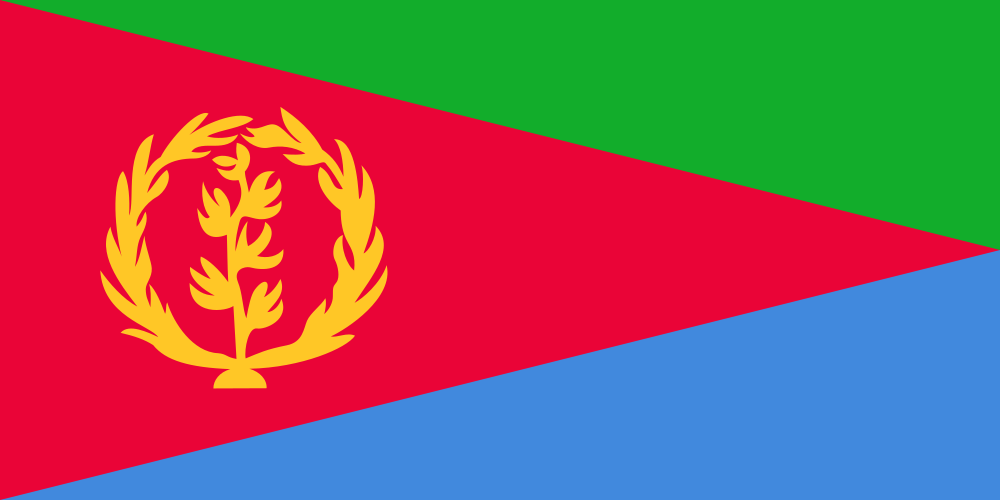
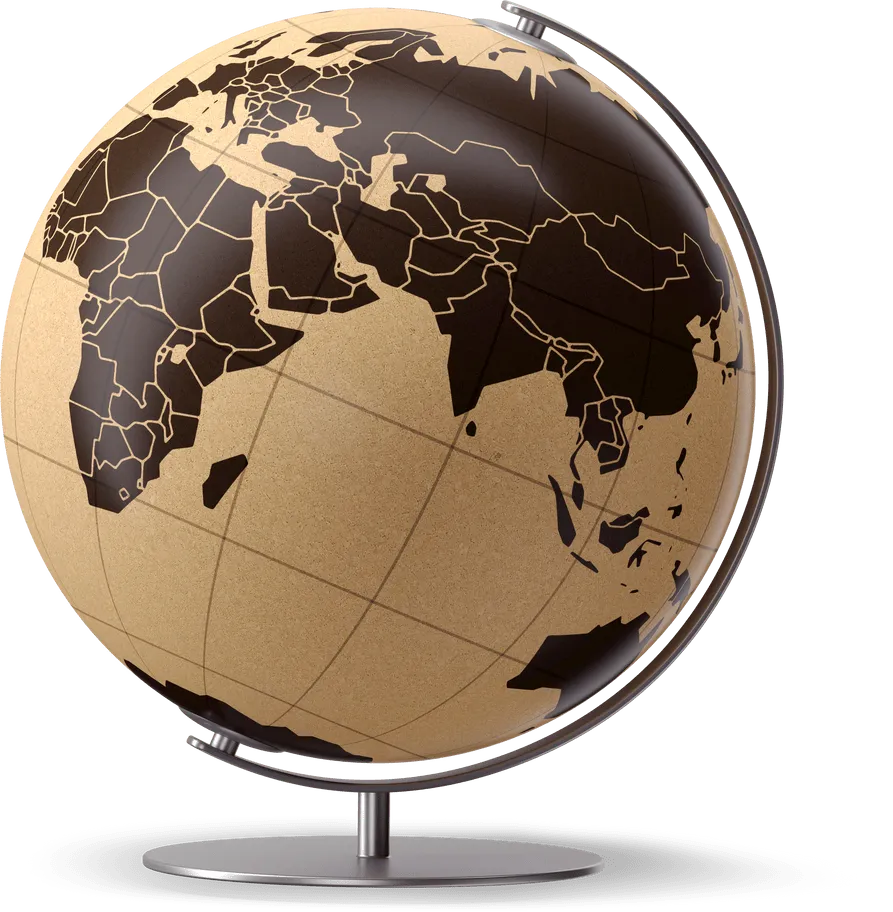
Eritrea, formally the State of Eritrea, is a nation in Eastern Africa's Horn of Africa area, with Asmara as its capital and biggest city. It is bounded on the south by Ethiopia, on the west by Sudan, and on the southeast by Djibouti. Eritrea's coastline along the Red Sea is vast in the northeast and east. The country has an area of around 117,600 km2 (45,406 sq mi) and includes the Dahlak Archipelago and the Hanish Islands.
Human bones discovered in Eritrea have been dated to 1 million years old, and the anthropological study suggests that the location may hold important records relating to human evolution. Eritrea today is a multi-ethnic nation with nine recognized ethnic groups. The nine recognized ethnic groups speak nine distinct languages, the most generally spoken being Tigrinya, with the others being Tigre, Saho, Kunama, Nara, Afar, Beja, Bilen, and Arabic. The three working languages are Tigrinya, Arabic, and English. The majority of the population speaks Afroasiatic languages, either from the Ethiopian Semitic or Cushitic branches. The Tigrinyas make up roughly 55 percent of the population in these areas, with the Tigre people accounting for about 30 percent. There are also other Nilotic ethnic groups who speak Nilo-Saharan. The majority of inhabitants in the area follow Christianity or Islam, with a tiny minority following traditional beliefs.
The Kingdom of Aksum, which included most of modern-day Eritrea and northern Ethiopia, was founded in the first or second century AD. It converted to Christianity around the middle of the fourth century. Much of Eritrea was ruled by the Medri Bahri kingdom in medieval times, with a tiny section ruled by Hamasien. The development of modern-day Eritrea is the consequence of the amalgamation of autonomous, different kingdoms (such as Medri Bahri and the Sultanate of Aussa), which finally resulted in the formation of Italian Eritrea. Eritrea was ruled by the British Military Administration until 1952, after the defeat of the Italian colonial force in 1942. Following a vote by the UN General Assembly in 1952, Eritrea would govern itself via a native Eritrean parliament, but for foreign affairs and defense, it would enter into a ten-year federal relationship with Ethiopia. However, in 1962, the Ethiopian government dissolved the Eritrean parliament and legally conquered Eritrea. In 1961, the Eritrean separatist movement formed the Eritrean Liberation Front, which waged the Eritrean War of Independence until Eritrea achieved de facto independence in 1991. Following an independence vote, Eritrea obtained de jure independence in 1993.
Eritrea is a unitary one-party presidential republic with no national legislative or presidential elections. Isaias Afwerki has been the country's president since its formal independence in 1993. According to Human Rights Watch, Eritrea's government has one of the worst human rights records in the world. These charges have been refuted by the Eritrean administration as politically motivated. Eritrea's press freedom is severely restricted; the Press Freedom Index constantly puts it as one of the least free nations. Reporters Without Borders deems the nation to have the poorest overall press freedom in the world as of 2021, even worse than North Korea since all media outlets and access are severely regulated by the government.