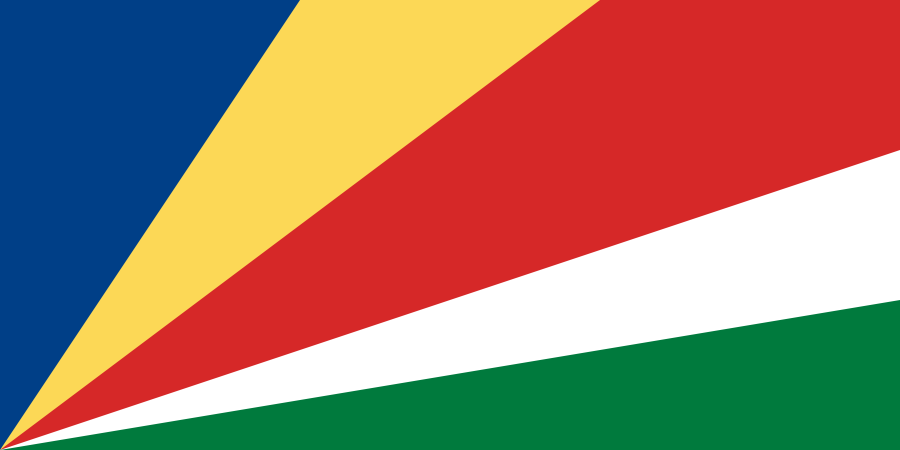
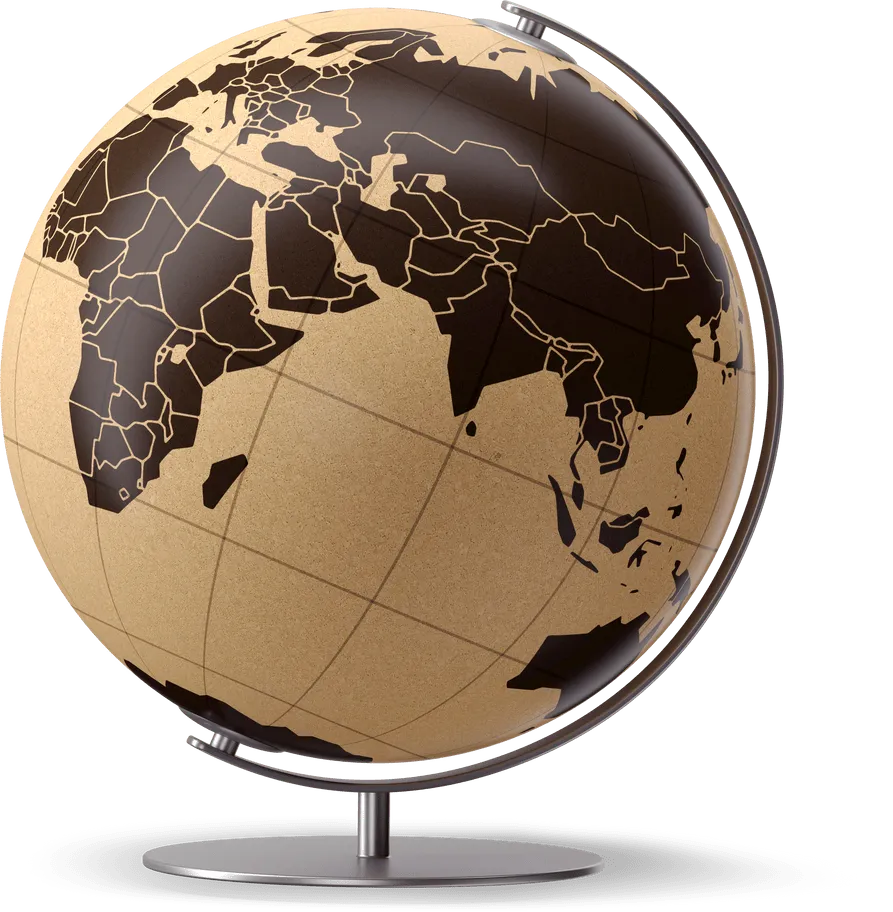
Seychelles, formally the Republic of Seychelles (French: République des Seychelles; Creole: La Repiblik Sesel), is an archipelago of 115 islands in the Indian Ocean off the coast of Somalia. Victoria, its capital and biggest city, lies 1,500 kilometers (800 nautical miles) east of continental Africa. To the south, the Comoros, Madagascar, Mauritius, and the French overseas territory of Mayotte and Réunion; and to the east, the Maldives and the Chagos Archipelago (ruled by the United Kingdom as the British Indian Ocean Territory). With an expected 2020 population of 98,462, it is the least populated sovereign African nation.
Prior to the arrival of Europeans in the 16th century, Seychelles was uninhabited. It was subject to rival French and British interests until it fell completely under British authority in the late 18th century. Since declaring independence from the United Kingdom in 1976, it has progressed from a mostly agrarian culture to a market-based, diverse economy typified by fast-expanding service, public sector, and tourist industries. From 1976 to 2015, nominal GDP increased by approximately 700% and purchasing power parity increased by over 1600%. The government has made initiatives to promote international investment since the late 2010s.
Seychelles now has the greatest nominal per capita GDP of any African country. After Mauritius, it has the highest Human Development Index of any African nation. The World Bank classifies it as one of just two African nations with a high-income economy (the other being Mauritius).
Seychellois culture and society are an eclectic combination of French, British, and African influences, with more modern Chinese and Indian infusions. The nation is a member of many organizations, including the United Nations, the African Union, the Southern African Development Community, and the Commonwealth of Nations.