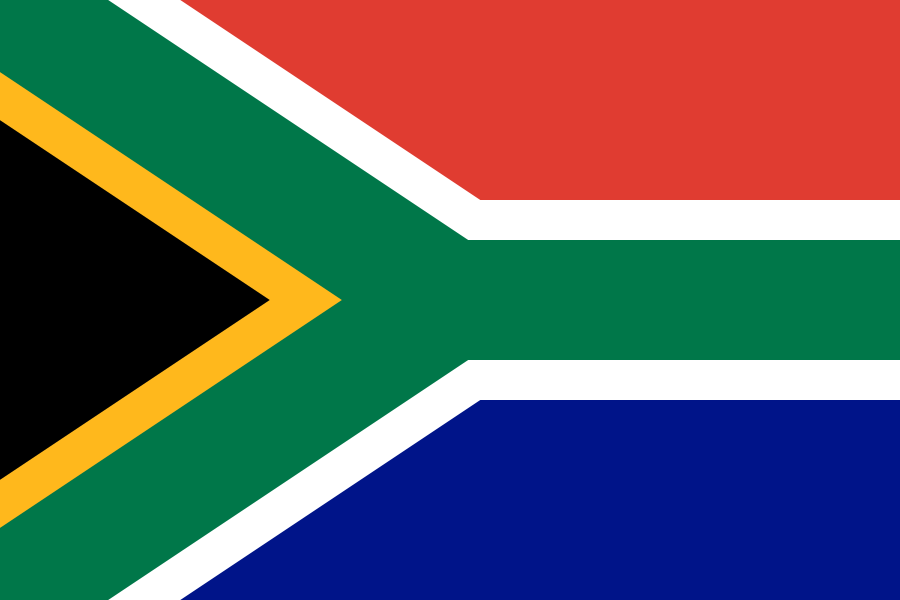
South Africa, formally known as the Republic of South Africa (RSA), is Africa's southernmost nation. The country has a population of about 60 million people and occupies an area of 1,221,037 square kilometers (471,445 square miles). Pretoria, Bloemfontein, and Cape Town serve as the executive, judicial, and legislative branches of government of South Africa, respectively. Johannesburg is the biggest city. Black South Africans account for around 81 percent of the population. The remaining population is made up of the continent's biggest groups of European (White South Africans), Asian (Indian and Chinese South Africans), and Multiracial (Coloured South Africans) heritage.
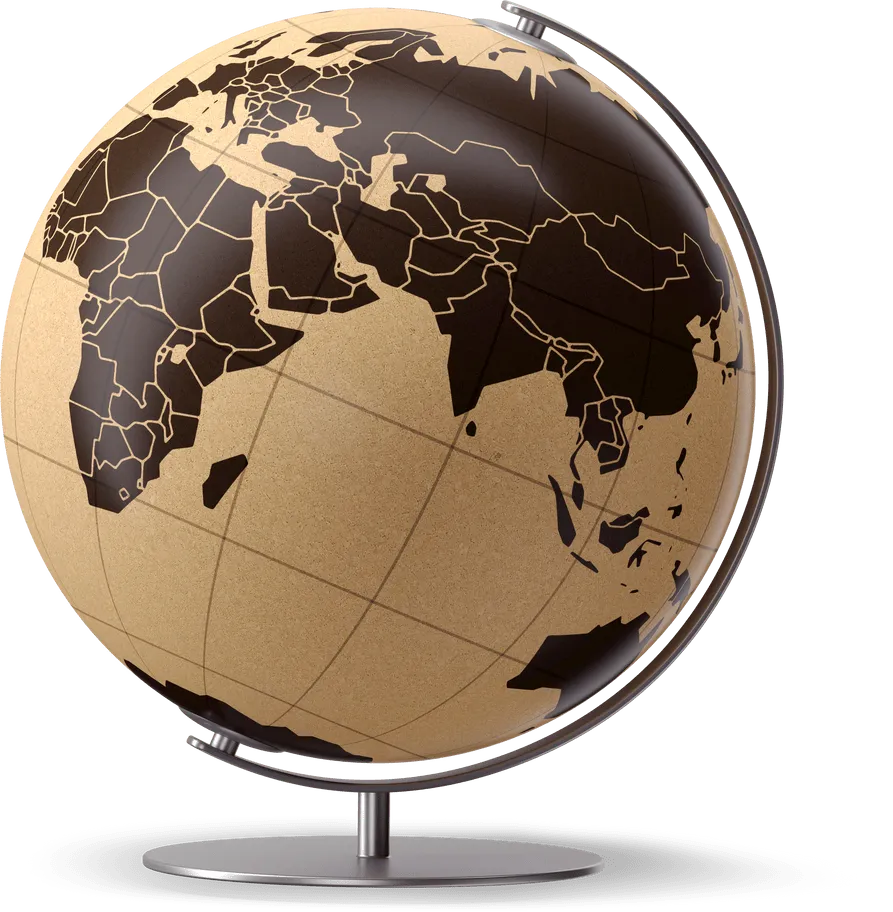
South Africa is limited to the south by a coastline that stretches along the South Atlantic and Indian Oceans; to the north by Namibia, Botswana, and Zimbabwe; and to the east and northeast by Mozambique and Eswatini, as well as the enclaved nation of Lesotho. It is the southernmost nation on the Old World's landmass and the most populated country totally south of the equator. South Africa is a biodiversity hotspot, having a diverse range of biomes, plant and animal species.
South Africa is a multiethnic society with a diverse range of cultures, languages, and faiths. The constitution recognizes 11 official languages, the fourth-highest number in the world, reflecting its multicultural character. According to the 2011 census, the two most widely spoken first languages in South Africa are Zulu (22.7 percent) and Xhosa (20.7%). (16.0 percent ). The two following are of European origin: Afrikaans (13.5 percent) arose from Dutch and is the primary language of the majority of Coloured and White South Africans; English (9.6 percent) embodies the heritage of British colonization and is widely used in public and business life. The nation is one of the few in Africa that has never seen a coup, and regular elections have been conducted for over a century. However, until 1994, the great majority of black South Africans were denied the right to vote.
Throughout the twentieth century, the black majority strove to assert more rights over the dominating white minority, which played a significant influence in the country's recent history and politics. Apartheid was introduced by the National Party in 1948, formalizing earlier racial segregation. The repeal of discriminatory legislation started in the mid-1980s, after a protracted and often violent campaign by the African National Congress (ANC) and other anti-apartheid activists both within and outside the nation. Since 1994, all ethnic and linguistic groups in the country's liberal democracy, which consists of a parliamentary republic and nine provinces, have had political representation. South Africa is often referred to as the "rainbow nation" to represent the country's multicultural richness, particularly in the aftermath of apartheid.
South Africa is an upper-middle power in international affairs, with major regional influence and membership in the Commonwealth of Nations and the Group of 20. It is a developing nation, with a Human Development Index rating of 114th. The World Bank has classed it as a recently industrialized nation, with the second-largest economy in Africa and the 33rd-largest in the world. In addition, South Africa boasts the most UNESCO World Heritage Sites in Africa. South Africa's government accountability and quality of life have significantly improved after the end of apartheid. However, violence, poverty, and inequality persist, with about a quarter of the population jobless and living on less than US$1.25 per day in 2008.