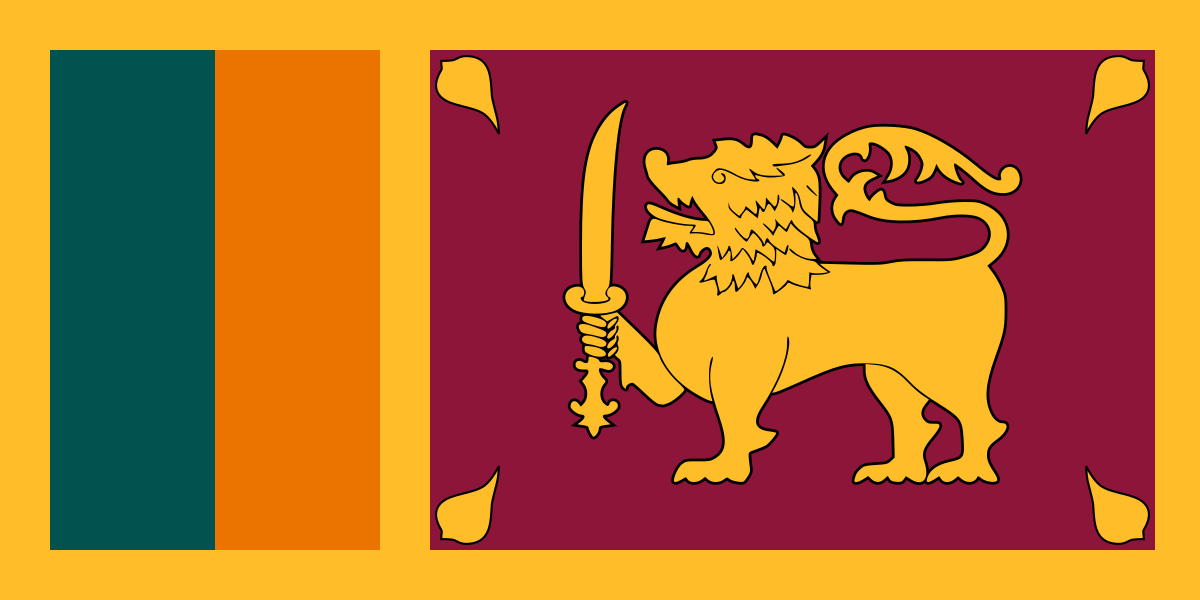
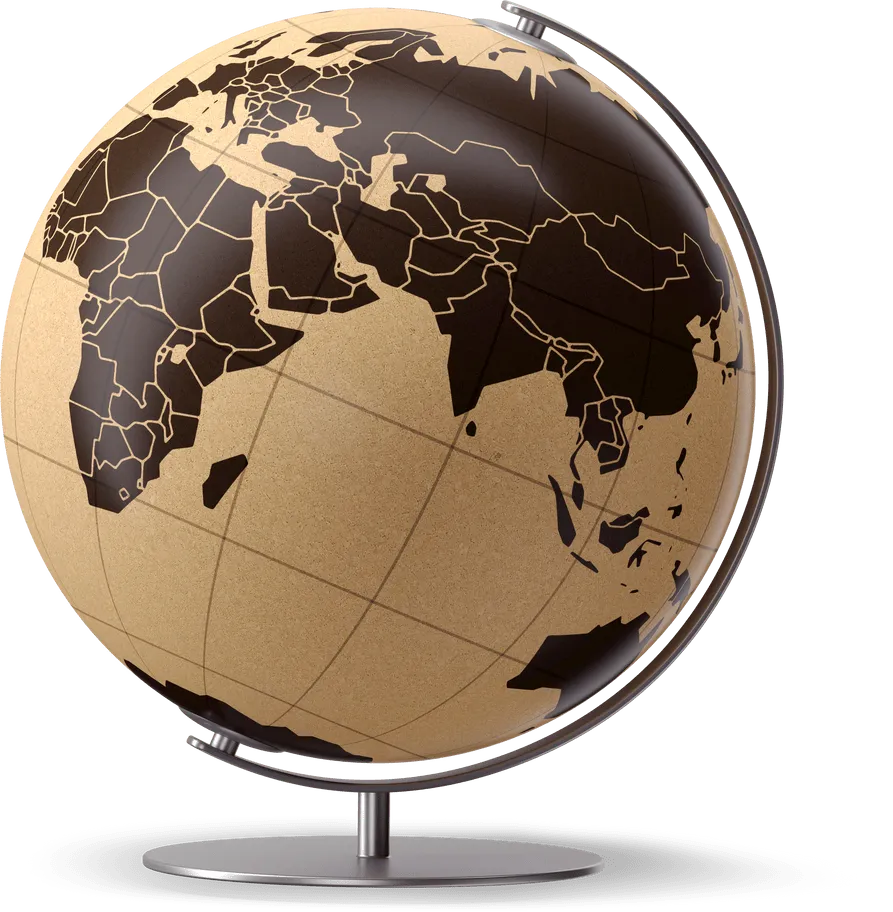
Sri Lanka, previously Ceylon and officially the Democratic Socialist Republic of Sri Lanka, is a South Asian island republic. It is located in the Indian Ocean, southwest of the Bay of Bengal and southeast of the Arabian Sea; the Gulf of Mannar and the Palk Strait separate it from the Indian subcontinent. Sri Lanka borders India and the Maldives on the sea. Its legislative capital is Sri Jayawardenepura Kotte, while its major city and financial center is Colombo.
The known history of Sri Lanka extends back 3,000 years, with evidence of ancient human habitation dating back at least 125,000 years. It has an extensive cultural legacy. The oldest known Buddhist literature from Sri Lanka, known as the Pli canon, are from the fourth Buddhist council around 29 BCE. From the early days of the old Silk Road trade route to today's so-called maritime Silk Road, Sri Lanka's geographic position and deep harbors have made it of enormous strategic significance. Because of its strategic position, it was known to both Far Easterners and Europeans as early as the Anuradhapura era. The country's commerce in luxury products and spices drew merchants from all over the world, contributing to Sri Lanka's diversified population. The Portuguese came to Sri Lanka (mostly by mistake) at a moment of considerable political upheaval in the Sinhalese kingdom of Kotte, and thereafter tried to control the island's marine areas and profitable foreign commerce. Part of Sri Lanka was taken over by the Portuguese. Following the Sinhala-Portuguese conflict, the lands were taken over by the Dutch and the Kingdom of Kandy. The British took seized the Dutch territories and then expanded their rule over the whole island, colonizing it from 1815 until 1948. In the early twentieth century, a national movement for political independence evolved, and Ceylon became a dominion in 1948. In 1972, the dominion was superseded by the Republic of Sri Lanka. Sri Lanka's recent history has been marked by a 26-year civil war that started in 1983 and was successfully concluded in 2009 when the Sri Lanka Armed Forces defeated the Liberation Tigers of Tamil Eelam.
Today, Sri Lanka is a multicultural country with many different cultures, languages, and races. The Sinhalese constitute the bulk of the country's population. The Tamils, a sizable minority community, have also played an important part in the history of the island. The Moors, Burghers, Malays, Chinese, and indigenous Vedda are other long-established communities.
The island has a long history of participation in contemporary international organizations, including membership in the United Nations, the Commonwealth of Nations, the G77, and the Non-Aligned Movement. Sri Lanka is the highest-ranked South Asian country on the Human Development Index, with the second-highest per capita income; nevertheless, the current economic crisis has resulted in currency collapse, growing inflation, and a humanitarian catastrophe due to a severe scarcity of basics. It has also sparked public rallies, with protesters demanding that the President and the administration resign.